What a High-Impact Wellbeing ERG Actually Looks Like
Lessons from Morningstar
Published
August 12th, 2026
Topic
ERGs and Wellbeing Progarams
Running a wellbeing ERG is one of the most well-intentioned things you can do at work.
It is also, genuinely, one of the hardest.
You are organizing events on top of a full-time job. You are trying to get colleagues to show up when their calendars are already packed. And somewhere in the back of your mind, you are wondering whether any of it is actually making a difference.
Most wellbeing ERGs face the same three problems. Morningstar faced them too. Here is what they did differently, and what the results showed.
The Three Problems That Hold Wellbeing ERGs Back
Consistency is hard to sustain.
Events get planned with good intentions, then quietly deprioritized when things get busy. The program goes quiet for a few weeks. Momentum drops. Employees stop expecting much.
It is difficult to know what people actually want.
Wellness means something different to everyone. The format that resonates with one person completely misses another. One-size-fits-all programming leads to low attendance, and low attendance leads to frustration for the people putting in the effort to organize it.
Engagement is a constant battle.
Even when sessions are good, getting people to show up consistently is hard. Without strong communications and a clear reason to attend each time, even well-designed programs plateau quickly.
The result is a pattern that will feel familiar to a lot of ERG leads: working hard, but quietly unsure it is working.
What Morningstar Did Differently
Morningstar's wellbeing ERG made a deliberate decision to stop trying to solve these problems alone. Rather than continuing to source content, write communications, and coordinate logistics on top of everything else, they brought in Balance as a dedicated wellbeing partner.
The shift changed three things in particular.
They introduced genuine variety across the program.
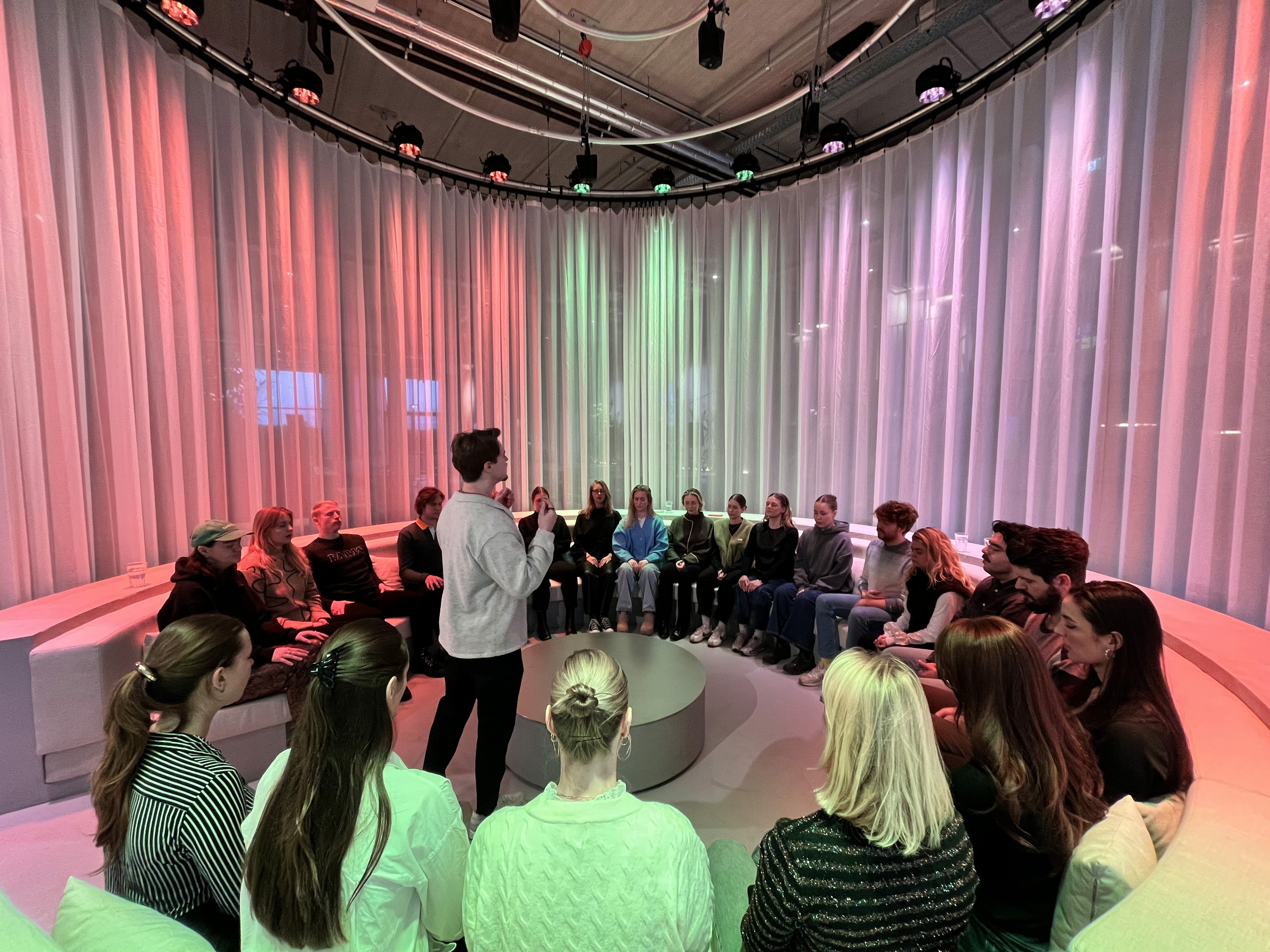
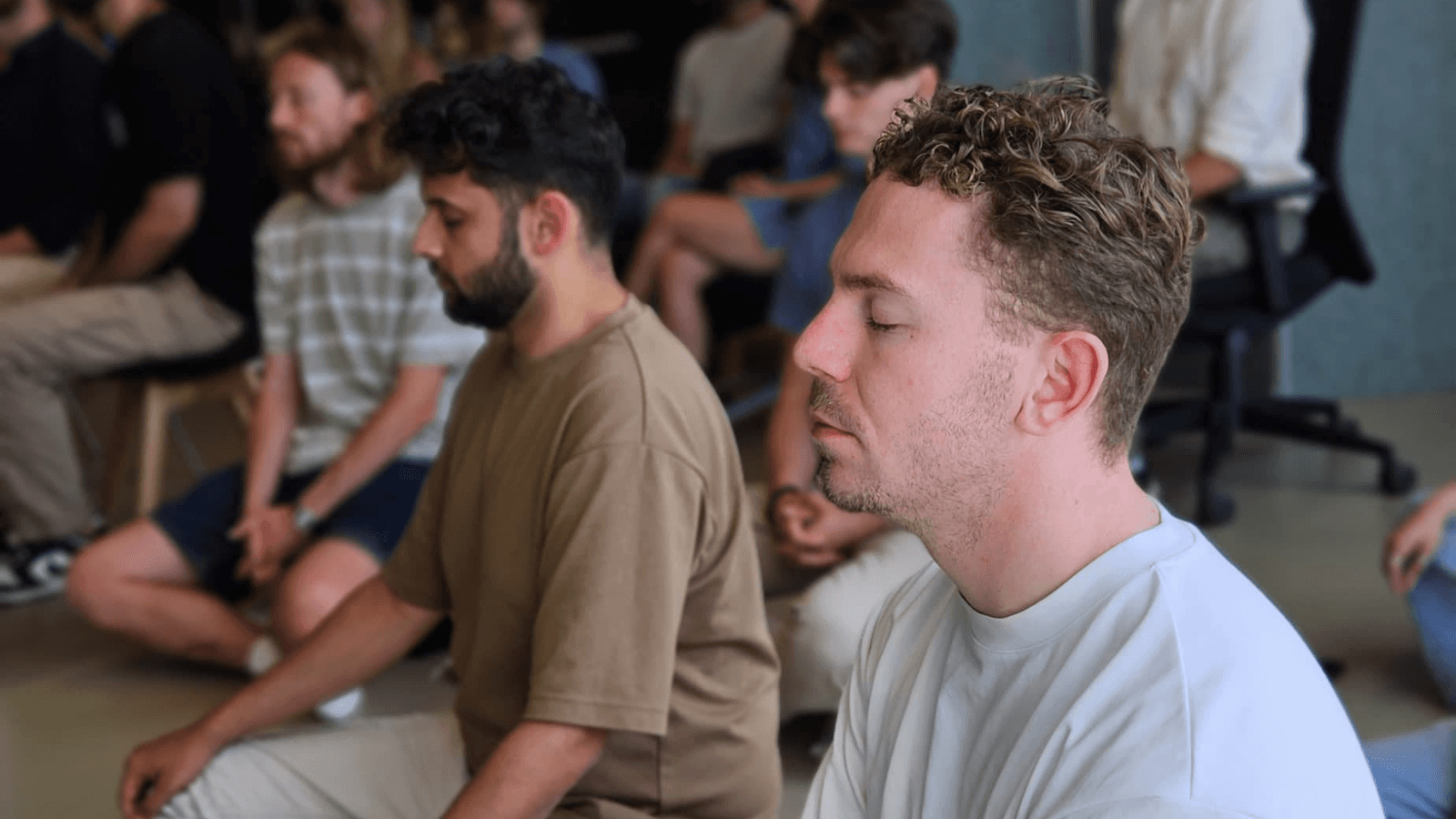
Instead of rotating through a narrow set of familiar formats, the program expanded to include breathwork workshops, guided meditation, desk yoga, sound baths, massage, and masterclass-style training for employees who wanted to go deeper into the science.
This range mattered more than it might seem. A sound bath appeals to a very different person than a desk yoga session. Breathwork catches the colleague dealing with deadline pressure. A masterclass speaks to the employee who wants to understand why these tools work. When there is something genuinely relevant for different people, more people show up — and they keep showing up.
Every session was connected to the workplace context.
Sessions were not generic wellness experiences dropped into a work calendar. They were framed around real workday moments — stress regulation before a high-stakes week, focus recovery after an intense sprint, building resilience during a period of change.
When practical tools are tied to outcomes employees already care about, wellbeing stops feeling like a nice extra and starts feeling useful. That shift in framing is often the difference between polite attendance and genuine engagement.
The communications and logistics were handled entirely.
This is where many wellbeing ERGs quietly lose momentum. Writing invitations. Creating promotional materials. Sending reminders. For a volunteer-run group, this admin is often what causes programs to stall, not a lack of good ideas.
Morningstar's ERG did not produce a single piece of communications content. Everything was provided — ready-to-send copy, promotional assets, session materials — all designed to drive attendance. The ERG leads shared it. That was it. A consistent, professional rhythm without adding to anyone's workload.
The Part That Made It Undeniable: Measuring the Impact
This is where many wellbeing ERGs have a real blind spot. Events happen, people seem to enjoy them, but when leadership asks what the impact has been, it is difficult to point to anything concrete.
Morningstar measured it.
Before every session, participants rated their current stress level. After every session, they rated it again. Across the program, employees reported an average 42% reduction in stress after each workshop.
That is not a soft metric. It is consistent, session-by-session data that demonstrates real impact — the kind of number an ERG lead can bring to a leadership conversation with confidence. It also gives employees a tangible reason to keep coming back, because they can feel the difference themselves.
Sustained attendance confirmed the same story. People were not showing up once and disappearing. They were returning — and that repeat engagement is the clearest signal a wellbeing program is delivering genuine value, not just novelty.
What This Means for Your Wellbeing ERG
The Morningstar story is not about having more budget or more time. It is about removing the friction that prevents good intentions from becoming consistent impact.
If your ERG is not quite hitting its potential, these are the questions worth sitting with:
Are you trying to do too much yourself? Sourcing content, writing communications, coordinating logistics — this is a full-time job layered on top of a full-time job. The ERGs that sustain momentum are usually the ones that offload operational work to a partner built to handle it.
Are you offering genuine variety? A single format will always leave a portion of your team disengaged. A mix of experiences — breathwork, movement, sound, education — gives more people a real reason to participate, including the colleagues who would never sign up for a meditation session but will absolutely come to a desk yoga workshop or a sound bath.
Can you measure the impact? Attendance figures are a start. Pre and post session stress measurements give you something far more powerful — concrete data that shows your ERG is driving real change, not just a popular calendar event.
Are you building habits, or hoping one session changes things? Stress regulation is a skill. It develops through repetition. The wellbeing ERG programs that create lasting change are the ones that show up consistently — not the ones that deliver one excellent session and then go quiet for two months.
The Standard Worth Aiming For
A high-impact wellbeing ERG does not just plan events. It builds an environment where employees regularly access tools that help them feel calmer, more focused, and more resilient — and where the people running it do not burn out in the process.
Morningstar built that. The 42% stress reduction across sessions was not an accident. It was the result of a structured, well-supported program that gave employees real tools, showed up consistently, and measured what mattered.
That is the standard worth aiming for. And with the right support behind you, it does not have to be as hard as it sounds.
At Balance, we partner with wellbeing ERGs to deliver high-engagement, science-backed sessions across breathwork, meditation, movement, sound, and more — fully managed, with communications support and impact measurement included. Everything your ERG needs to run a program that actually works, without adding to your workload. Book a call to find out what is possible for your team.
Running a wellbeing ERG is one of the most well-intentioned things you can do at work.
It is also, genuinely, one of the hardest.
You are organizing events on top of a full-time job. You are trying to get colleagues to show up when their calendars are already packed. And somewhere in the back of your mind, you are wondering whether any of it is actually making a difference.
Most wellbeing ERGs face the same three problems. Morningstar faced them too. Here is what they did differently, and what the results showed.
The Three Problems That Hold Wellbeing ERGs Back
Consistency is hard to sustain.
Events get planned with good intentions, then quietly deprioritized when things get busy. The program goes quiet for a few weeks. Momentum drops. Employees stop expecting much.
It is difficult to know what people actually want.
Wellness means something different to everyone. The format that resonates with one person completely misses another. One-size-fits-all programming leads to low attendance, and low attendance leads to frustration for the people putting in the effort to organize it.
Engagement is a constant battle.
Even when sessions are good, getting people to show up consistently is hard. Without strong communications and a clear reason to attend each time, even well-designed programs plateau quickly.
The result is a pattern that will feel familiar to a lot of ERG leads: working hard, but quietly unsure it is working.
What Morningstar Did Differently
Morningstar's wellbeing ERG made a deliberate decision to stop trying to solve these problems alone. Rather than continuing to source content, write communications, and coordinate logistics on top of everything else, they brought in Balance as a dedicated wellbeing partner.
The shift changed three things in particular.
They introduced genuine variety across the program.
Instead of rotating through a narrow set of familiar formats, the program expanded to include breathwork workshops, guided meditation, desk yoga, sound baths, massage, and masterclass-style training for employees who wanted to go deeper into the science.
This range mattered more than it might seem. A sound bath appeals to a very different person than a desk yoga session. Breathwork catches the colleague dealing with deadline pressure. A masterclass speaks to the employee who wants to understand why these tools work. When there is something genuinely relevant for different people, more people show up — and they keep showing up.
Every session was connected to the workplace context.
Sessions were not generic wellness experiences dropped into a work calendar. They were framed around real workday moments — stress regulation before a high-stakes week, focus recovery after an intense sprint, building resilience during a period of change.
When practical tools are tied to outcomes employees already care about, wellbeing stops feeling like a nice extra and starts feeling useful. That shift in framing is often the difference between polite attendance and genuine engagement.
The communications and logistics were handled entirely.
This is where many wellbeing ERGs quietly lose momentum. Writing invitations. Creating promotional materials. Sending reminders. For a volunteer-run group, this admin is often what causes programs to stall, not a lack of good ideas.
Morningstar's ERG did not produce a single piece of communications content. Everything was provided — ready-to-send copy, promotional assets, session materials — all designed to drive attendance. The ERG leads shared it. That was it. A consistent, professional rhythm without adding to anyone's workload.
The Part That Made It Undeniable: Measuring the Impact
This is where many wellbeing ERGs have a real blind spot. Events happen, people seem to enjoy them, but when leadership asks what the impact has been, it is difficult to point to anything concrete.
Morningstar measured it.
Before every session, participants rated their current stress level. After every session, they rated it again. Across the program, employees reported an average 42% reduction in stress after each workshop.
That is not a soft metric. It is consistent, session-by-session data that demonstrates real impact — the kind of number an ERG lead can bring to a leadership conversation with confidence. It also gives employees a tangible reason to keep coming back, because they can feel the difference themselves.
Sustained attendance confirmed the same story. People were not showing up once and disappearing. They were returning — and that repeat engagement is the clearest signal a wellbeing program is delivering genuine value, not just novelty.
What This Means for Your Wellbeing ERG
The Morningstar story is not about having more budget or more time. It is about removing the friction that prevents good intentions from becoming consistent impact.
If your ERG is not quite hitting its potential, these are the questions worth sitting with:
Are you trying to do too much yourself? Sourcing content, writing communications, coordinating logistics — this is a full-time job layered on top of a full-time job. The ERGs that sustain momentum are usually the ones that offload operational work to a partner built to handle it.
Are you offering genuine variety? A single format will always leave a portion of your team disengaged. A mix of experiences (breathwork, movement, sound, etc.) gives more people a real reason to participate, including the colleagues who would never sign up for a meditation session but will absolutely come to a desk yoga workshop or a sound bath.
Can you measure the impact? Attendance figures are a start. Pre and post session stress measurements give you something far more powerful, concrete data that shows your ERG is driving real change, not just a popular calendar event.
Are you building habits, or hoping one session changes things? Stress regulation is a skill. It develops through repetition. The wellbeing ERG programs that create lasting change are the ones that show up consistently, not the ones that deliver one session and then go quiet for two months.
The Standard Worth Aiming For
A high-impact wellbeing ERG does not just plan events. It builds an environment where employees regularly access tools that help them feel calmer, more focused, and more resilient — and where the people running it do not burn out in the process.
Morningstar built that. The 42% stress reduction across sessions was not an accident. It was the result of a structured, well-supported program that gave employees real tools, showed up consistently, and measured what mattered.
That is the standard worth aiming for. And with the right support behind you, it does not have to be as hard as it sounds.
At Balance, we partner with wellbeing ERGs to deliver high-engagement, science-backed sessions across breathwork, meditation, movement, sound, and more — fully managed, with communications support and impact measurement included. Everything your ERG needs to run a program that actually works, without adding to your workload.
Book a call to find out what is possible for your team.
Running a wellbeing ERG is one of the most well-intentioned things you can do at work.
It is also, genuinely, one of the hardest.
You are organizing events on top of a full-time job. You are trying to get colleagues to show up when their calendars are already packed. And somewhere in the back of your mind, you are wondering whether any of it is actually making a difference.
Most wellbeing ERGs face the same three problems. Morningstar faced them too. Here is what they did differently, and what the results showed.
The Three Problems That Hold Wellbeing ERGs Back
Consistency is hard to sustain.
Events get planned with good intentions, then quietly deprioritized when things get busy. The program goes quiet for a few weeks. Momentum drops. Employees stop expecting much.
It is difficult to know what people actually want.
Wellness means something different to everyone. The format that resonates with one person completely misses another. One-size-fits-all programming leads to low attendance, and low attendance leads to frustration for the people putting in the effort to organize it.
Engagement is a constant battle.
Even when sessions are good, getting people to show up consistently is hard. Without strong communications and a clear reason to attend each time, even well-designed programs plateau quickly.
The result is a pattern that will feel familiar to a lot of ERG leads: working hard, but quietly unsure it is working.
What Morningstar Did Differently
Morningstar's wellbeing ERG made a deliberate decision to stop trying to solve these problems alone. Rather than continuing to source content, write communications, and coordinate logistics on top of everything else, they brought in Balance as a dedicated wellbeing partner.
The shift changed three things in particular.
They introduced genuine variety across the program.
Instead of rotating through a narrow set of familiar formats, the program expanded to include breathwork workshops, guided meditation, desk yoga, sound baths, massage, and masterclass-style training for employees who wanted to go deeper into the science.
This range mattered more than it might seem. A sound bath appeals to a very different person than a desk yoga session. Breathwork catches the colleague dealing with deadline pressure. A masterclass speaks to the employee who wants to understand why these tools work. When there is something genuinely relevant for different people, more people show up — and they keep showing up.
Every session was connected to the workplace context.
Sessions were not generic wellness experiences dropped into a work calendar. They were framed around real workday moments — stress regulation before a high-stakes week, focus recovery after an intense sprint, building resilience during a period of change.
When practical tools are tied to outcomes employees already care about, wellbeing stops feeling like a nice extra and starts feeling useful. That shift in framing is often the difference between polite attendance and genuine engagement.
The communications and logistics were handled entirely.
This is where many wellbeing ERGs quietly lose momentum. Writing invitations. Creating promotional materials. Sending reminders. For a volunteer-run group, this admin is often what causes programs to stall, not a lack of good ideas.
Morningstar's ERG did not produce a single piece of communications content. Everything was provided — ready-to-send copy, promotional assets, session materials — all designed to drive attendance. The ERG leads shared it. That was it. A consistent, professional rhythm without adding to anyone's workload.
The Part That Made It Undeniable: Measuring the Impact
This is where many wellbeing ERGs have a real blind spot. Events happen, people seem to enjoy them, but when leadership asks what the impact has been, it is difficult to point to anything concrete.
Morningstar measured it.
Before every session, participants rated their current stress level. After every session, they rated it again. Across the program, employees reported an average 42% reduction in stress after each workshop.
That is not a soft metric. It is consistent, session-by-session data that demonstrates real impact — the kind of number an ERG lead can bring to a leadership conversation with confidence. It also gives employees a tangible reason to keep coming back, because they can feel the difference themselves.
Sustained attendance confirmed the same story. People were not showing up once and disappearing. They were returning — and that repeat engagement is the clearest signal a wellbeing program is delivering genuine value, not just novelty.
What This Means for Your Wellbeing ERG
The Morningstar story is not about having more budget or more time. It is about removing the friction that prevents good intentions from becoming consistent impact.
If your ERG is not quite hitting its potential, these are the questions worth sitting with:
Are you trying to do too much yourself? Sourcing content, writing communications, coordinating logistics — this is a full-time job layered on top of a full-time job. The ERGs that sustain momentum are usually the ones that offload operational work to a partner built to handle it.
Are you offering genuine variety? A single format will always leave a portion of your team disengaged. A mix of experiences — breathwork, movement, sound, education — gives more people a real reason to participate, including the colleagues who would never sign up for a meditation session but will absolutely come to a desk yoga workshop or a sound bath.
Can you measure the impact? Attendance figures are a start. Pre and post session stress measurements give you something far more powerful — concrete data that shows your ERG is driving real change, not just a popular calendar event.
Are you building habits, or hoping one session changes things? Stress regulation is a skill. It develops through repetition. The wellbeing ERG programs that create lasting change are the ones that show up consistently — not the ones that deliver one excellent session and then go quiet for two months.
The Standard Worth Aiming For
A high-impact wellbeing ERG does not just plan events. It builds an environment where employees regularly access tools that help them feel calmer, more focused, and more resilient — and where the people running it do not burn out in the process.
Morningstar built that. The 42% stress reduction across sessions was not an accident. It was the result of a structured, well-supported program that gave employees real tools, showed up consistently, and measured what mattered.
That is the standard worth aiming for. And with the right support behind you, it does not have to be as hard as it sounds.
At Balance, we partner with wellbeing ERGs to deliver high-engagement, science-backed sessions across breathwork, meditation, movement, sound, and more — fully managed, with communications support and impact measurement included. Everything your ERG needs to run a program that actually works, without adding to your workload. Book a call to find out what is possible for your team.
Bring this into your workplace
If this topic resonates, we deliver practical, science-backed sessions that help teams reduce stress and improve focus, with minimal lift for HR.